
The Art of Storytelling: Enhancing Your Brand with Visuals

Visuals are one of the most powerful tools for branding and communication. Research shows that 65% of people are visual learners, and visuals are processed 60,000 times faster than text, making them essential for conveying messages quickly and effectively.
For creatives, solopreneurs, and small businesses, visuals aren't just decorative — they're crucial for showcasing work, promoting services, and engaging an audience.
The Role of Visuals in Storytelling
For many professionals, particularly those who rely on visual content to promote their work, images convey emotions and ideas faster than words. A single image can evoke emotion, express your brand's essence, and create a lasting impression — all within seconds.
People remember 80% of what they see versus just 20% of what they read.
As attention spans continue to shrink, visual storytelling becomes more and more important. Consistency should extend to your visual elements as well. By using the same colors, fonts, and styles across your content, you create a unified brand identity that reinforces your message and makes your story more memorable.
Common Types of Visual Storytelling
1. Infographics
Infographics simplify complex data into engaging visuals. They're excellent for breaking down statistics, processes, or timelines in a way that's easy to digest and share.
2. Before-and-After Transformations
These visuals are powerful for showcasing tangible results. Whether you're a fitness coach, interior designer, or marketer, before-and-after images demonstrate real impact and build credibility.
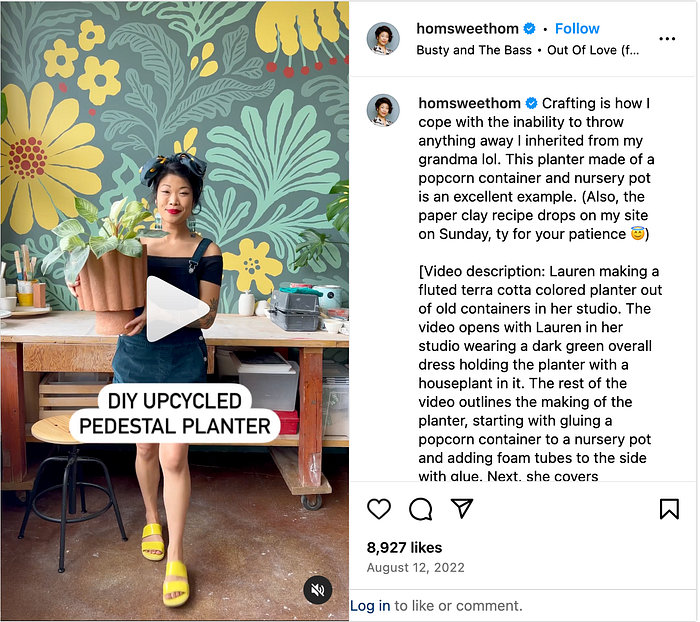
3. Step-by-Step Tutorials
Visual tutorials guide your audience through a process, making complex tasks accessible. They position you as a helpful authority while providing genuine value.
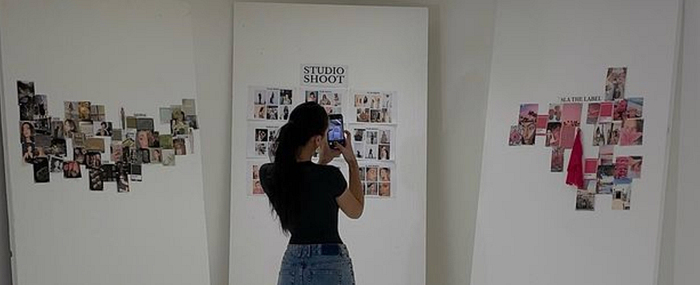
4. Moodboards
Moodboards are collections of images, textures, and colors that capture a particular aesthetic or feeling. They're perfect for establishing brand identity or sharing creative direction.
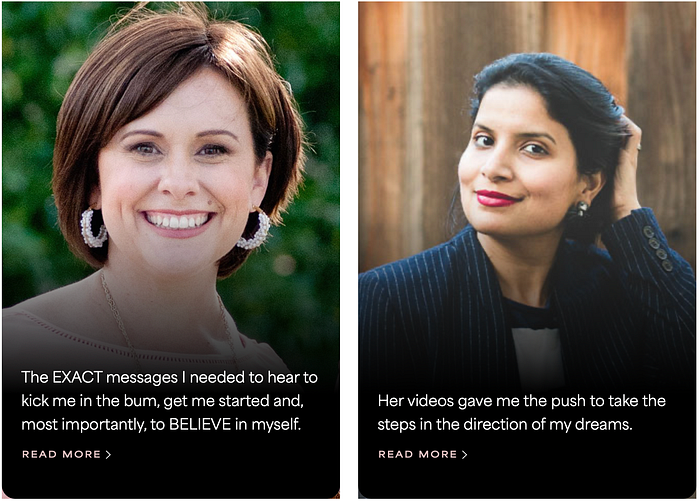
5. Testimonials with Visuals
Combining customer quotes with photos or designed graphics adds authenticity and emotional weight. Visual testimonials are more engaging and trustworthy than text alone.
6. Behind-the-Scenes
Behind-the-scenes content humanizes your brand by showing the real people and processes behind your work. It builds connection and trust by pulling back the curtain.
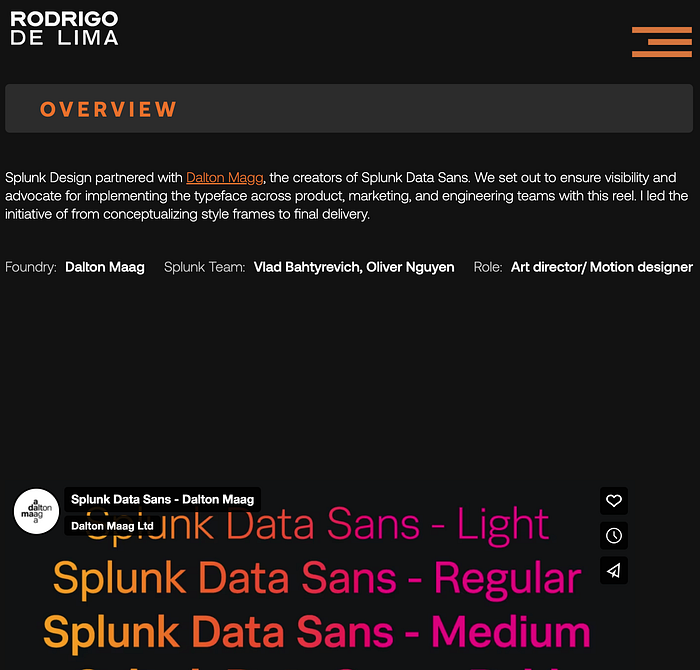
7. Case Studies
Visual case studies combine narrative with evidence. They walk your audience through a problem, your solution, and the results — all enhanced with supporting imagery.
Selecting the Right Visuals
Alignment with Your Brand Message
Your visuals must align with your brand's core message. Each image should reinforce who you are, what you represent, and why your audience should trust you. For example, if you're a wellness coach, your visuals might evoke peace through calm colors and nature imagery, whereas a tech startup might opt for sleek, modern visuals that communicate innovation.
Quality and Aesthetics Matter
Quality isn't optional — 67% of consumers say high-quality visuals are critical when deciding to make a purchase. High-resolution images don't just look better; they build trust. Blurry or inconsistent visuals can harm your credibility, but polished, professional images communicate attention to detail.
First impressions matter. Visuals are often the first thing a potential customer notices, so high-quality images help set the right tone from the beginning.
Balance Visuals and Content
Too many images can overwhelm your audience, while too few can leave your message feeling flat. It's essential to strike a balance where visuals enhance your story without distracting from it. Studies show that content with relevant images gets 94% more views than content without visuals, but these images must contribute to your overall narrative.
Case Study: Deliciously Ella
Deliciously Ella is a prime example of visual storytelling done right. Her brand centers on plant-based eating and wellness, and every visual reinforces that message.
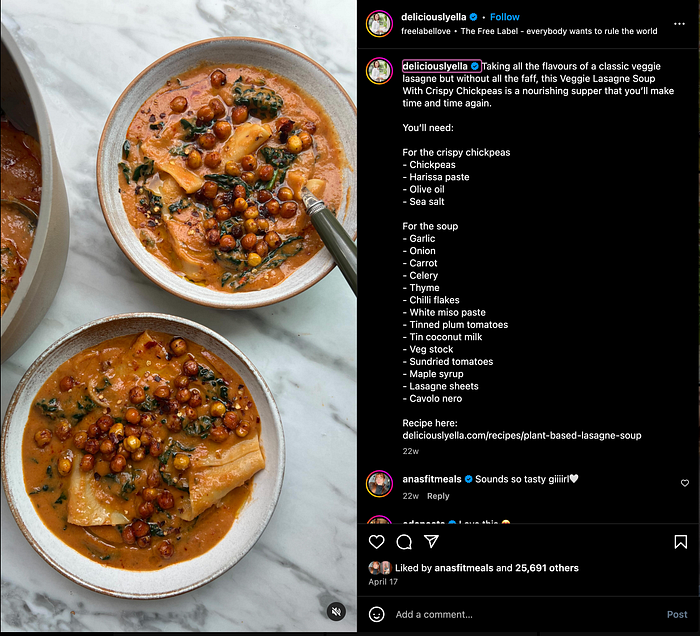
- Vibrant, appetizing food photography — Every image showcases colorful, inviting plant-based dishes that make healthy eating look delicious.
- Minimal, purposeful captions — The visuals do the heavy lifting, with text that supports rather than overwhelms.
- Step-by-step Story videos — Behind-the-scenes cooking content builds trust and connection with her audience.
- Consistent aesthetic — A unified color palette and style across all platforms creates instant brand recognition.
The result? A recognizable brand that feels authentic, trustworthy, and aspirational — all communicated primarily through visuals.
Key Takeaways
- Visuals are processed 60,000x faster than text — use them strategically.
- Consistency across colors, fonts, and styles builds brand recognition.
- High-quality visuals build trust; low-quality visuals erode it.
- Balance is key — visuals should enhance, not overwhelm, your message.
"In a world of shrinking attention spans, visual storytelling isn't optional — it's essential for capturing attention and building authority."