
The Competence Trap: Why Being Good at Your Job Keeps You Stuck
Why Competence Is a Trap
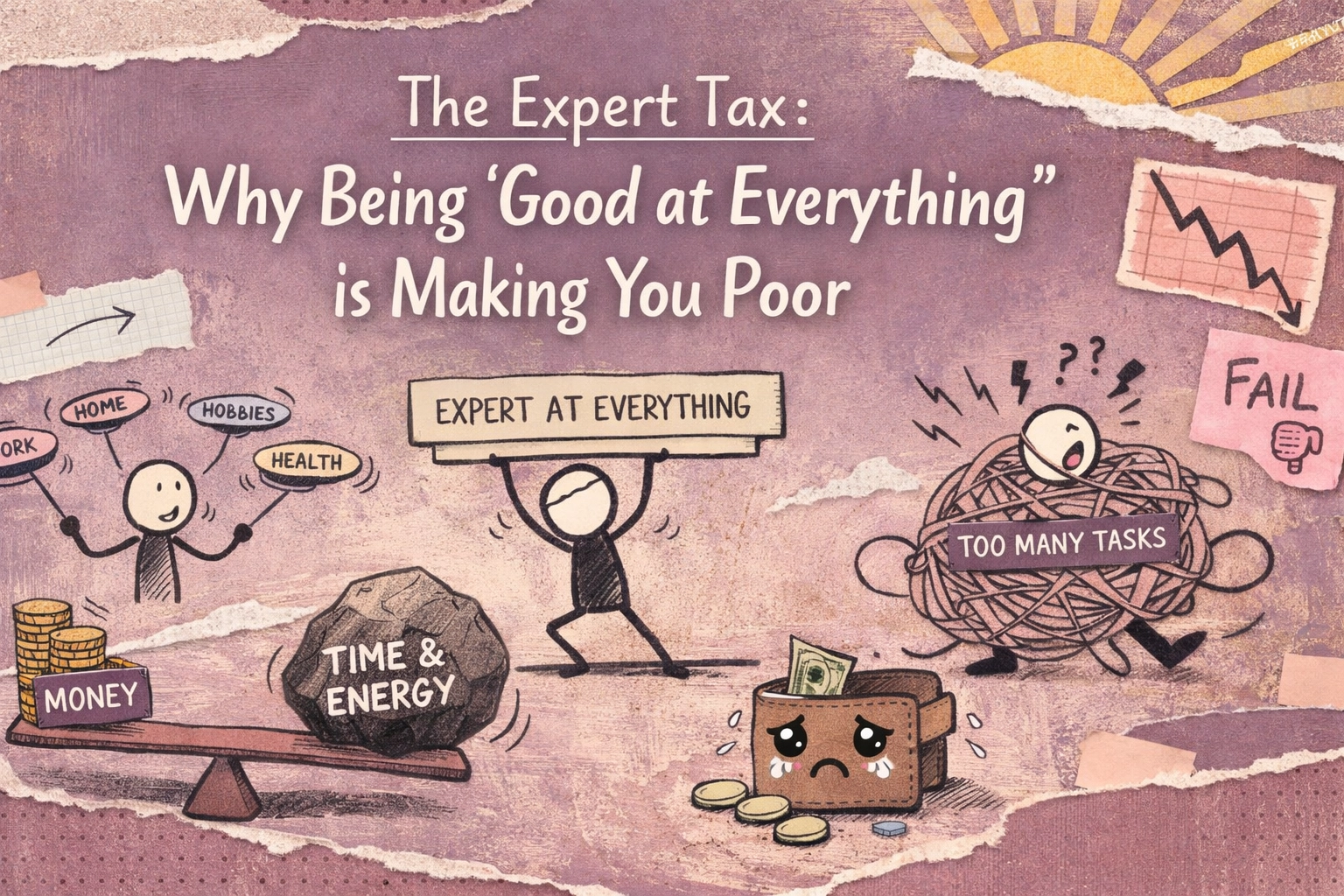
There are two versions of you.
One version takes action on her own vision. Sets boundaries that protect her energy. Makes decisions from clarity instead of fear. Builds systems that create momentum.
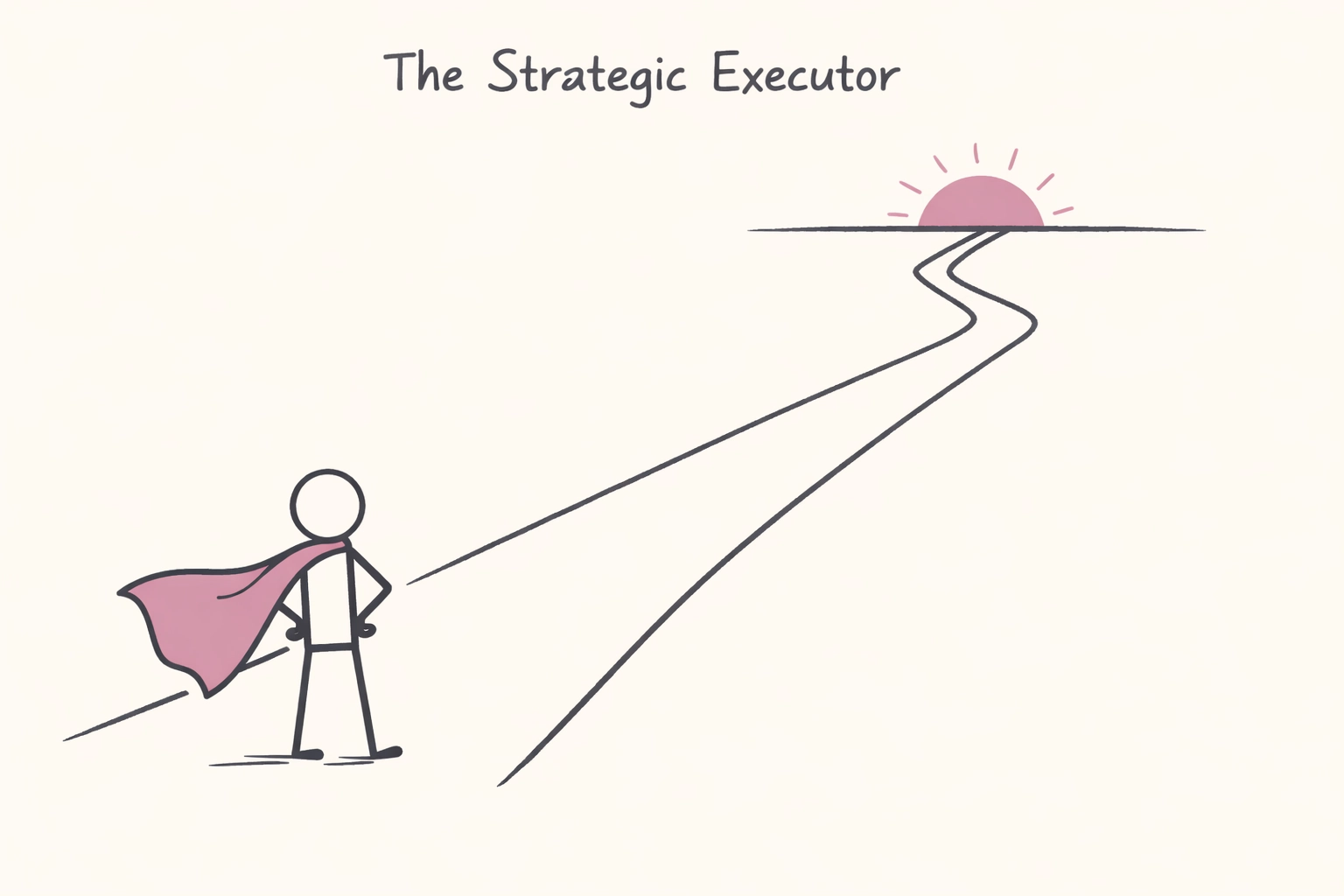
The other executes everyone else's roadmap. Says yes to avoid conflict. Stays paralyzed by too many options. Optimizes everything except her own life.
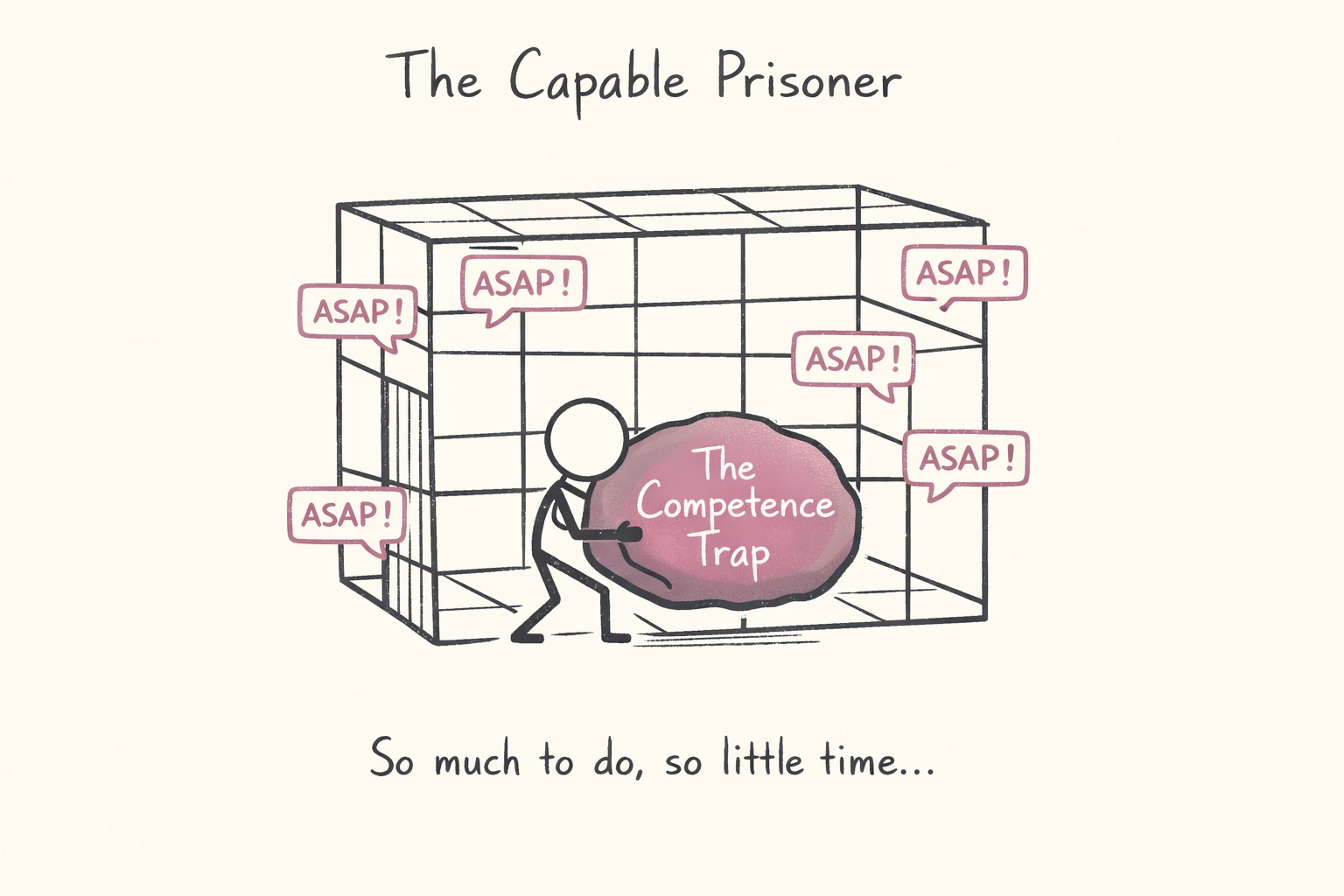
Here's the uncomfortable part: The prison wasn't built by your circumstances. It was built by your competence.
How Being Good at Your Job Becomes a Cage
You got good at something. Really good. People noticed. They started bringing you their problems. You solved them. Your reputation grew. More problems arrived. You solved those too.
Somewhere along the way, you stopped choosing what you worked on. The work started choosing you.
This is the competence trap — when your past success becomes the barrier to your future growth. You're so skilled at what you've always done that you keep doing it, even when it's no longer serving you. Even when you want something different.
I lived this for years.
At my peak, I was a Principal Product Manager at Heap leading a database migration that recovered $5 million in lost revenue. I was running a consulting practice. Building a SaaS product. Coaching people on the side. Managing content across seven platforms.
From the outside, it looked like ambition. From the inside, it felt like drowning in slow motion.
I was so good at solving problems that I'd become a magnet for them. Every skill I developed earned me more of other people's priorities. My calendar was full. My impact was visible. And my own goals? Permanently at the bottom of a pile labeled "later."
The trap isn't that you're not capable. The trap is that you're SO capable that you can keep the whole machine running — even when the machine isn't taking you anywhere you actually want to go.
The Four Ways Competence Becomes a Cage
Over years of working with people who look successful but feel stuck, I've noticed the competence trap shows up in four distinct patterns.
The Overcommitter
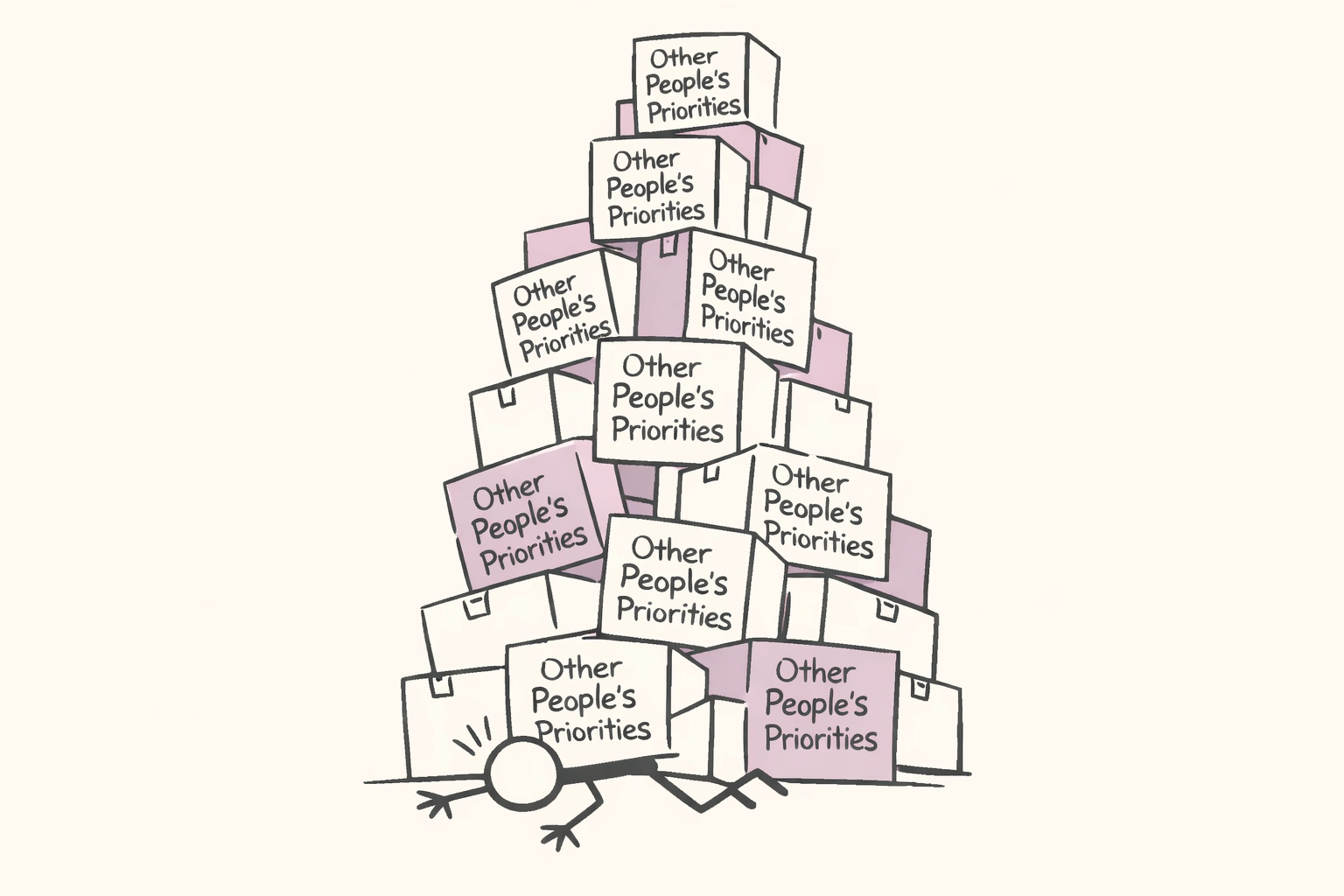
Says yes to everything because helpfulness has become identity. Your calendar is full of other people's priorities. You're the person who shows up, fixes things, never drops the ball — and you're so exhausted you can't remember what YOUR priorities even are.
The cage is built from being needed.
Escape route: Friction Fences — Systems that protect your capacity before it gets claimed.
The Perfectionist
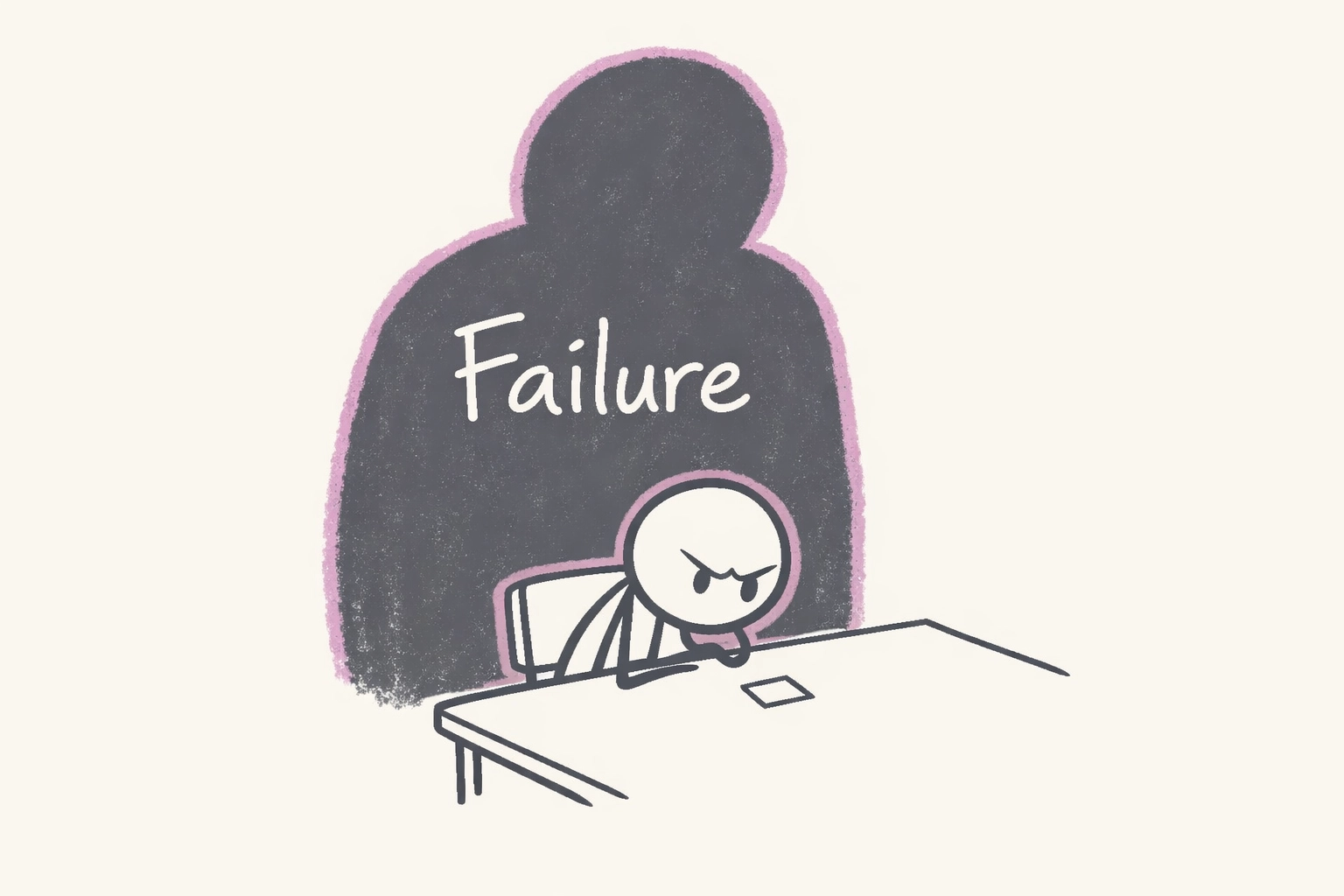
Has impossibly high standards that conveniently prevent starting. You're "not ready" to ship that project, launch that offer, make that move. You need more research, more polish, more proof.
The cage is built from imaginary future criticism.
Escape route: Micro-Commitments — Systems that make imperfect action easier than perfect planning.
The Burnout Cycler
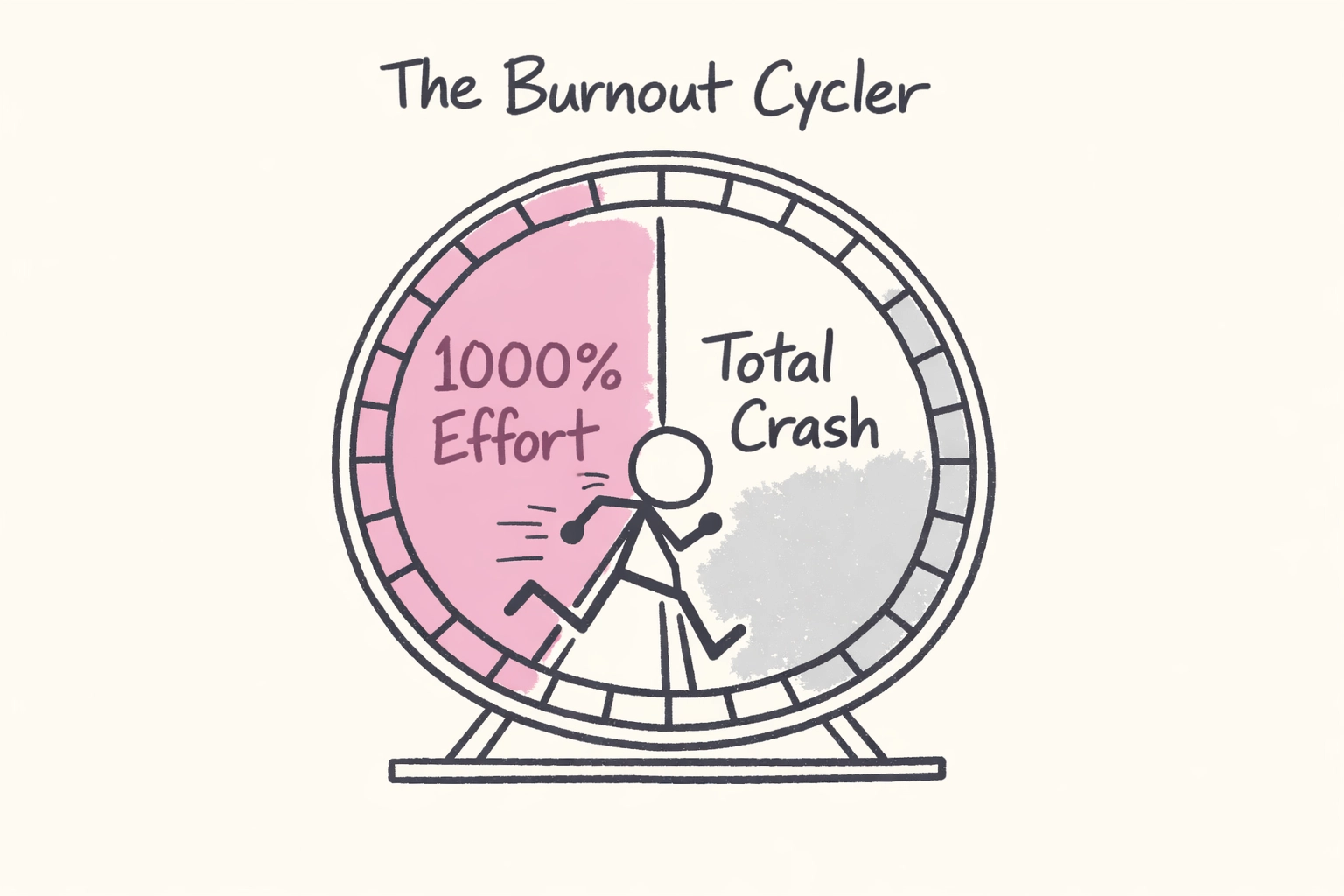
Operates in boom-bust patterns — sprinting until collapse, recovering, then sprinting again. You tell yourself rest is what you earn after achievement.
The cage is built from the belief that sustainable pace means you're not serious enough.
Escape route: Recovery Rhythms — Systems that treat rest as infrastructure, not reward.
The Scattered Starter
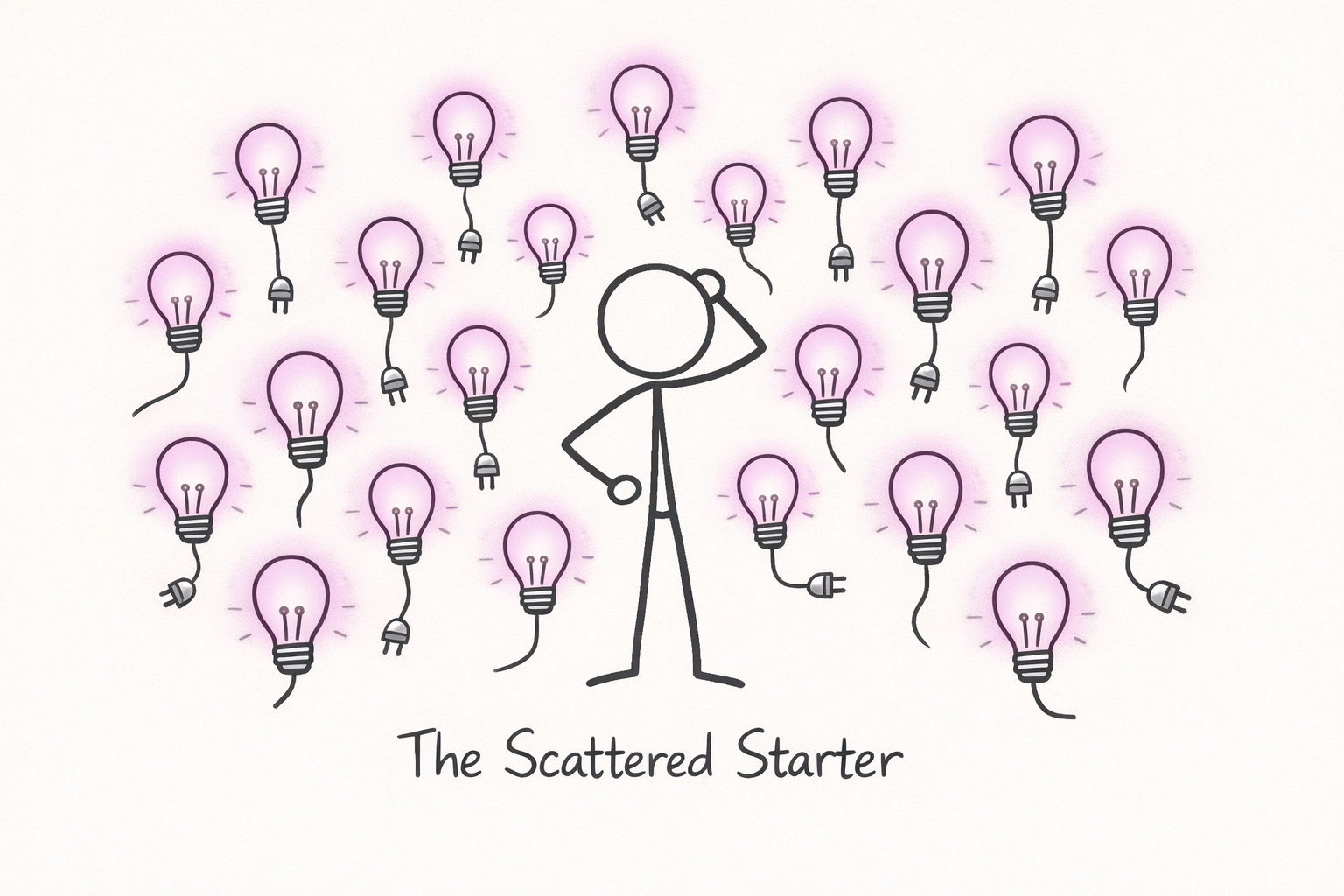
Has 47 projects in progress and zero finished. The dopamine hit of beginning is so much better than the grind of completing. You're addicted to possibility and allergic to follow-through.
The cage is built from never having to find out if your ideas actually work.
Escape route: Finishing Systems — Systems that make completion more compelling than novelty.
Different patterns. Same result: constantly busy, impressively productive, and somehow still not building the thing you actually want.
The Question That Changes Everything
I remember the moment the trap became visible to me.
I'd just wrapped a quarter where I'd delivered a major platform win at work, closed three consulting clients, and shipped a new feature for my side project. By any measure, I was crushing it.
And I was miserable.
Not burned out — I'd been burned out before and this was different. This was the slow realization that I'd spent months executing brilliantly on a life I hadn't consciously chosen. That my competence had become a current carrying me somewhere I never decided to go.
"If I suddenly had four free hours tomorrow — no meetings, no obligations, no one else's emergencies — what would I build?"
The question that cracked everything open.
I didn't have an answer. Not because I lacked ideas. Because I'd been so busy proving I could handle everything that I'd stopped asking what I actually wanted.
That's the competence trap. Not a lack of skill. A lack of direction — hidden underneath a mountain of impressive execution.
Why Discipline Won't Save You
You can't willpower your way out of a competence trap.
The overcommitter can't just "decide to say no more." The perfectionist can't just "lower their standards." The burnout cycler can't just "rest more." The scattered starter can't just "focus."
These patterns aren't character flaws. They're systems — built over years, reinforced by success, wired into how you operate. And you can't beat a system with motivation. You beat a system with a better system.
You don't need more discipline. You need better plumbing.
- For the Overcommitter: friction fences that protect your capacity before it gets claimed
- For the Perfectionist: micro-commitments that make imperfect action easier than perfect planning
- For the Burnout Cycler: recovery rhythms that treat rest as infrastructure, not reward
- For the Scattered Starter: finishing systems that make completion more compelling than novelty
Different traps require different exits. But they all start the same way: building a door instead of redecorating the cage.
Which Version Shows Up Tomorrow?
The capable, stuck version of you isn't broken. She's just running the wrong program — executing someone else's vision instead of building her own.
The version of you who's clear, boundaried, and building something that matters? She's already in there. You've just been too busy being impressive to let her out.